Reviewing Call Bell Bluework for Real Projects
As a designer who has spent countless hours digitizing patterns and testing them on everything from delicate baby onesies to heavy canvas tote bags, I approach every new machine embroidery design with a critical eye. It is not just about whether the image looks pretty on a screen; it is about how the threads interact with the fabric, how the density affects the drape of the garment, and ultimately, whether the finished product will hold up to the scrutiny of a paying customer. Recently, I took a close look at Call Bell Bluework, a piece categorized under Backgrounds within the broader world of Embroidery. This review breaks down my practical experience and professional judgment on using this design in real-world commercial and personal projects.
First Impressions and Visual Personality
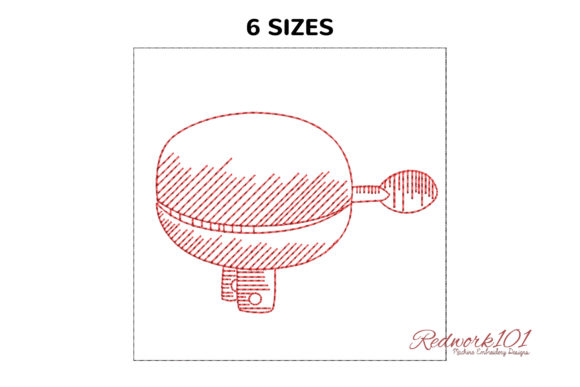
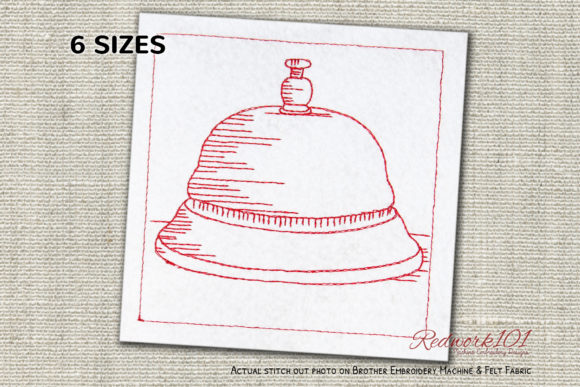
The first thing that strikes you about Call Bell Bluework is its understated elegance. In a market saturated with overly complex, high-density designs that can pucker even the sturdiest fabrics, this design offers a refreshing sense of space and clarity. The mood it creates is calm and professional, making it an excellent candidate for boutique branding or sophisticated personalized gifts. The layout feels balanced, avoiding the cluttered look that often plagues background elements. For an Etsy seller or small shop product creator, visual appeal is currency. A design that looks clean and intentional builds immediate customer trust. When I viewed the preview, I noted that the lines were distinct, suggesting that the stitch density has been managed well to prevent thread bunching while maintaining visual weight.
Real-World Application: The Custom Tote Bag Test
To truly evaluate a design, you must imagine it stitched out. I visualized Call Bell Bluework applied to a natural cotton canvas tote bag design. This is a staple item for many craft business owners. The design’s structure complements the flat, stable surface of a tote perfectly. Unlike curved surfaces like caps, where distortion is a constant risk, a tote allows the intricate details of the bluework style to shine without warping. I could easily see this being used as a central motif for a library-themed gift or a subtle accent on a teacher appreciation present. The handmade product market values uniqueness, and this design provides a custom look without requiring hours of manual labor.
Beyond totes, I considered its use in sweatshirt embroidery. Placing this design on the upper left chest area of a heavyweight fleece hoodie would create a polished, collegiate aesthetic. It is small enough to be subtle but detailed enough to be noticed. For custom apparel businesses, offering such refined options can help differentiate your brand from competitors who rely on generic, clip-art-style graphics.
Navigating Technical Constraints and Fabric Choices
While the design is versatile, it is not without its technical considerations. One specific note from the product description states: "Call Bell The Box Stitch shown in picture is optional. The color of outer Box is different color in most of the designs unless it is part of the design itself, you can skip the color directly in your". This is a crucial detail for any serious embroidery project. It implies flexibility in the stitching process. As a reviewer, I appreciate this option because it allows the maker to adapt the design to their specific thread colors and client preferences. If you are working on a dark fabric, you might choose to skip the outer box to reduce bulk or change the color to ensure contrast. However, this also means you must be diligent in your machine settings. You need to confirm whether your software allows you to easily delete or modify that specific color block before sending the file to the machine.
Fabric texture plays a significant role here. On smooth cotton or linen, the satin stitch and fill stitch elements will lay flat and crisp. However, on textured fabrics like terry cloth towels or fuzzy fleece, finer details might get lost. I would advise against using this on highly stretchy fabrics unless you are an experienced user with a robust stabilization strategy. For baby embroidery, where softness is paramount, you must ensure the back of the stitches is covered with a soft cut-away stabilizer to prevent irritation. Always test the design on scrap fabric first. This is non-negotiable for professional results.
Commercial Viability and Brand Consistency
For commercial embroidery applications, consistency is key. Call Bell Bluework lends itself well to brand consistency because of its classic style. It does not scream "trendy," which means it has a longer shelf life. This is vital for digital embroidery file sellers or those creating stock design assets. A design that remains relevant year after year provides better return on investment. When creating printable mockup previews for your online store, this design photographs well because of its clear definition. High-quality images drive buyer engagement, and a clean stitch-out translates beautifully to digital marketing materials.
However, be mindful of scale. If you attempt to shrink this design too much for a tiny embroidered patch or a narrow hat band, the finer lines may merge. Always check the minimum hoop size recommended by the digitizer. If that information is not explicitly provided in the download package, measure the design dimensions in your editing software and compare them to your smallest hoop. Never guess when precision matters.
Practical Designer Notes for Best Results
To get the most out of Call Bell Bluework, follow these practical steps:
- Check Thread Contrast: Since the outer box color is optional or variable, ensure your chosen thread contrasts sufficiently with the fabric. A low-contrast choice might make the design disappear from a distance.
- Stabilizer Selection: Use a medium-weight cut-away stabilizer for garments that will be washed frequently, such as holiday embroidery gifts or daily-wear custom apparel. For decorative items like pillow covers, a tear-away might suffice if the fabric is stable.
- Test Before Production: Run a test stitch on the actual fabric you intend to use. Look for puckering or thread breaks. Adjust tension if necessary.
- License Verification: Before selling finished product items featuring this design, confirm the licensing terms. Most designers allow commercial use of physical items, but restrictions may apply to digital resale. Ensure you are compliant to protect your small business merchandise line.
- Mockup in Black and White: View the design in grayscale in your software. This helps identify if the stitch density is balanced and if the shapes are distinguishable without relying on color cues.
Final Verdict
Call Bell Bluework is a solid addition to any designer’s library. It bridges the gap between decorative flair and practical usability. It is not just a pretty picture; it is a functional applique design alternative that relies on skilled stitching rather than fabric layers. For makers who value quality and professionalism, this design offers a reliable way to elevate simple items like kitchen towels, aprons, and tote bags into premium personalized gift options. By respecting the technical notes regarding the optional box stitch and choosing the right fabric and stabilizer combination, you can produce a finished product that delights customers and stands the test of time. Whether you are a hobbyist looking to spruce up your home decor or an Etsy seller expanding your catalog, this design deserves a spot in your rotation.