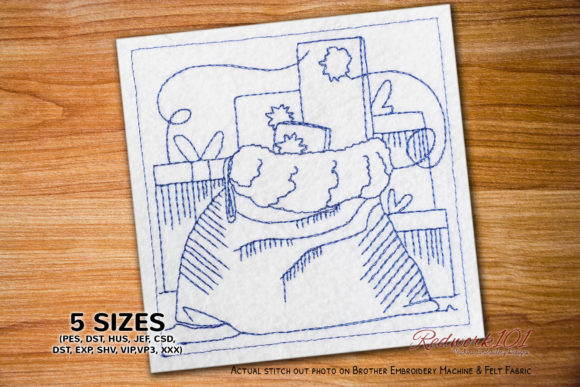
Reviewing Christmas Sack Bluework for Small Business Merch
As an embroidery designer who has spent years digitizing files and consulting with small business owners, I approach every new machine embroidery design with a critical eye. It is not enough for a pattern to look pretty on a screen; it must perform flawlessly in production. Today, I am reviewing Christmas Sack Bluework, a festive design that holds significant potential for seasonal branding, provided it is applied with strategic precision.
The initial impression of Christmas Sack Bluework is one of classic elegance mixed with holiday warmth. The term "Bluework" traditionally refers to monochromatic embroidery, often associated with heritage and craftsmanship. When applied to a Christmas sack motif, the design suggests a rustic, handmade aesthetic rather than a flashy, commercial gloss. For boutique owners, Etsy sellers, and creative studios, this visual personality is invaluable. It signals quality, tradition, and attention to detail. However, from a technical standpoint, we must evaluate how this translates into a durable embroidered patch or direct garment decoration.
Strategic Applications for Small Business Merchandising
For local businesses such as bakeries, florists, or pet brands, holiday merchandise is a crucial revenue stream. Christmas Sack Bluework can serve as a versatile asset in your design assets library. Here is how I recommend deploying this design for maximum brand impact:
- Branded Patches: This design shines as a standalone embroidered patch. Because bluework relies on texture and tone rather than multi-color complexity, it creates a sophisticated look on denim jackets, canvas tote bags, or wool caps. A patch allows customers to buy a piece of your brand without committing to a full garment.
- Staff Uniforms and Aprons: For cafes and boutiques, staff presentation is part of the customer experience. Using this design on apron embroidery adds a festive touch that feels curated rather than generic. It elevates the perceived value of your service.
- Tote Bag Design: Canvas totes are popular holiday gifts. The structural nature of a sack motif works well on heavy fabrics. Ensure you use a cut-away stabilizer to prevent puckering, as the density of bluework can pull on lighter materials.
- Cap Embroidery: Placing this on the front panel of a dad hat or beanie can create a subtle, stylish holiday look. However, curvature is a challenge. You must test the design on a curved surface to ensure the lines do not distort.
Evaluating Visual Personality and Brand Identity
Your brand identity is built on consistency. If your business leans towards modern minimalism, a traditional bluework design might feel out of place unless adapted. However, if your brand values heritage, craftsmanship, or cozy aesthetics, Christmas Sack Bluework is a perfect fit. It enhances customer trust by showcasing a commitment to quality over quick, cheap prints.
When used in commercial embroidery projects, this design helps differentiate your small business merch from mass-produced items. The monochromatic or limited-color palette typical of bluework allows it to blend seamlessly with various thread colors and fabric types. This versatility means you can offer it on dark uniforms, light linen shirts, or neutral packaging accents without clashing.
Technical Considerations and Production Notes
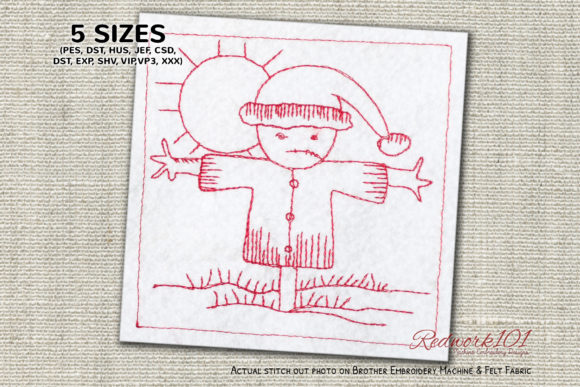
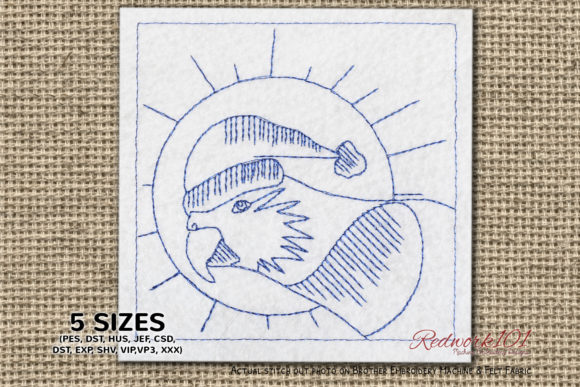
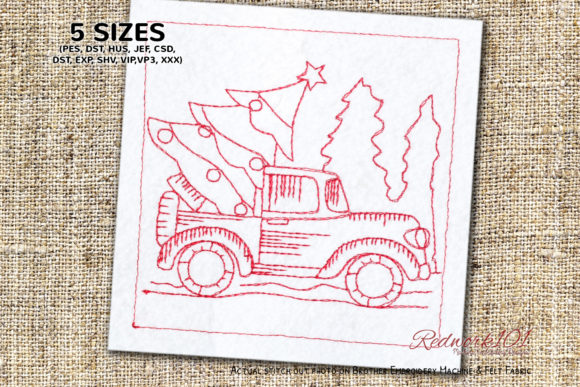
Before running this digital embroidery file on your production machines, there are several technical factors to address. The product description notes that "The Box Stitch shown in picture is optional" and that "The color of outer Box is different color in most of the designs unless it is part of the design itself, you can skip the color directly in." This flexibility is a double-edged sword.
First, verify the hoop size required for the full design. If you intend to use this on small items like pocket logos or tiny patches, you may need to resize the file. Resizing beyond 10% can alter stitch density and cause thread breaks or fabric bunching. Always request the original vector or source file if available to adjust density properly.
Second, consider the fabric texture. Bluework relies on the interplay of light and shadow created by stitches. On textured fabrics like terry cloth or heavy wool, fine details may get lost. On smooth cotton or poly-blends, the definition will be crisp. I strongly advise creating a printable mockup and then stitching a physical sample on your actual stock fabric before offering it to clients.
Critical Areas for Caution
While Christmas Sack Bluework is robust, there are scenarios where it requires careful handling:
- Small Patch Sizes: If scaling down for a chest logo, ensure the internal details of the sack do not merge. Simplify the design if necessary to maintain clarity at small dimensions.
- Dark Uniforms: If using traditional blue thread on navy or black uniforms, contrast may be insufficient. Consider using a metallic or lighter shade of blue to ensure visibility.
- Frequent Washing: Items like aprons and tote bags undergo rigorous washing. Use high-quality polyester threads and secure backing to ensure the finished product remains intact after multiple cycles.
- Curved Surfaces: As mentioned, cap fronts are tricky. Hoop the cap securely and use a water-soluble topping if the fabric is plush to keep stitches from sinking.
Enhancing Customer Engagement and Product Value
Incorporating Christmas Sack Bluework into your holiday collection can significantly boost buyer engagement. Customers are drawn to items that feel personal and artisanal. By offering this design on custom apparel or as part of a gift set, you increase the perceived value of your handmade product line.
Use this design in your marketing materials. Show close-up shots of the stitch work to highlight the quality. Explain the story behind the bluework technique to educate your audience. This narrative builds an emotional connection, turning a simple purchase into a memorable experience.
Final Designer Recommendations
To maximize the success of Christmas Sack Bluework in your business, follow these practical steps:
- Test in Black and White: Before selecting final thread colors, stitch the design in black thread on white fabric. This reveals any issues with spacing, density, or detail loss without the distraction of color.
- Check Commercial Licensing: Confirm that your purchase of the embroidery file includes commercial rights. Never assume a license covers unlimited production runs or resale of finished goods without verification.
- Compare Design Assets: Place this design alongside your existing logo and other holiday motifs. Ensure it complements your overall visual strategy rather than competing with it.
- Client Approval Mockups: If working with B2B clients, provide a digital mockup showing the design on their specific garment type. This manages expectations and reduces revision requests.
In conclusion, Christmas Sack Bluework is a strong contender for small businesses looking to add a touch of refined holiday cheer to their merchandise. It balances traditional aesthetics with modern application versatility. By paying attention to technical details like stabilizer choice, fabric compatibility, and stitch density, you can transform this digital file into a high-value physical product that enhances your brand identity and delights your customers. Always prioritize quality control and testing to ensure every item leaving your shop represents the best of your craft.