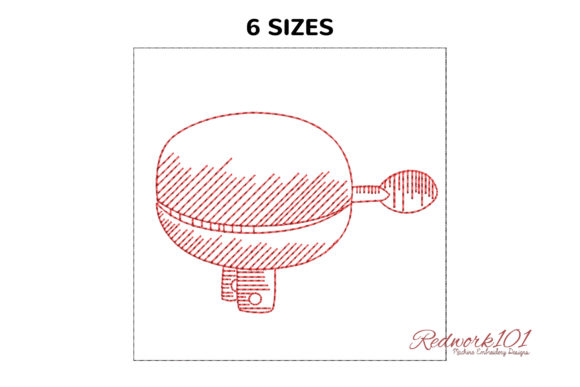
Bicycle Bells Bluework: A Designer’s Review
As an embroidery designer who has spent countless hours digitizing and stitching out thousands of designs, I have learned to look past the initial flash of a thumbnail. When I first pulled up Bicycle Bells Bluework in my workspace, I wasn’t just looking for something cute; I was evaluating its viability for real-world application. In the world of machine embroidery, aesthetics are only half the battle. The other half is technical execution, fabric compatibility, and end-user satisfaction. This piece falls under the category of Backgrounds, which immediately signals that it is likely intended to serve as a supporting element or a textured filler rather than a standalone focal point. However, its charm lies in its versatility.
First Impressions and Visual Personality
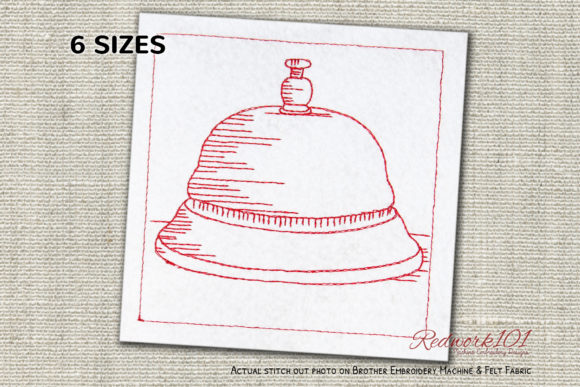
The immediate mood created by this design is nostalgic and whimsical. The bicycle bell motif is simple yet evocative, tapping into themes of childhood, leisure, and outdoor adventure. From a layout perspective, the design feels balanced. It does not scream for attention, which is exactly what you want from a background element. The visual personality is soft and approachable, making it an excellent candidate for projects where subtlety is key. Unlike aggressive, high-contrast logos, this design invites the viewer to look closer. For an Etsy seller or a small shop owner, this kind of understated elegance can elevate a product from generic to boutique-quality without overwhelming the base material.
Real-World Application: The Tote Bag Test
To truly understand how Bicycle Bells Bluework performs, I mentally placed it on a canvas tote bag. This is a common item for craft businesses and handmade product lines. On a natural cotton canvas, the design would provide a lovely textural contrast. Because it is categorized under Backgrounds, I envision it being used as an all-over print or a subtle side-panel accent. If I were preparing a custom order for a client who loves cycling or vintage aesthetics, this design would pair beautifully with a bold, sans-serif monogram. The bell acts as a decorative anchor, grounding the text without competing with it. For sweatshirt embroidery, the same logic applies. Placed on the lower left hem or near the cuff, it adds a personalized touch that feels intentional and designed, rather than slapped on.
Performance on Different Fabrics
One of the critical aspects of any embroidery file is how it interacts with fabric texture. This design appears to rely on clean lines and moderate density. On stable fabrics like denim, twill, or heavy cotton, it should stitch out cleanly with minimal puckering. However, when working with stretchy fabrics such as jersey knits for baby clothes or t-shirts, caution is required. The open areas in the design might allow the fabric to pull through if the stabilizer is not robust enough. I always recommend using a cut-away stabilizer for garments that will be washed frequently, ensuring the stitches remain secure and the shape retains its integrity over time.
For dark fabrics, thread color choice becomes paramount. Since the design is titled "Bluework," it suggests a monochromatic or limited palette. On navy or black apparel, you would need to ensure high contrast if you want the details to pop. Alternatively, using a tonal thread—such as a slightly lighter blue on a dark blue shirt—creates a sophisticated, shadow-like effect that appeals to adult customers looking for refined custom apparel. For baby embroidery, pastel threads on white or cream onesies would highlight the delicate nature of the bell shape, making it a sweet addition to nursery decor or holiday gifts.
Technical Considerations for the Stitcher
Before loading this design into your machine, there are several practical notes to consider. First, check the stitch density. Background designs can sometimes be deceptively dense if they are meant to cover large areas. If the density is too high, it can cause needle breaks or fabric distortion. Always test the design on scrap fabric first. This step is non-negotiable for professional designers. It allows you to inspect small details and confirm that the running stitch and fill stitch transitions are smooth.
The product description mentions that "The Box Stitch shown in picture is optional." This is a crucial detail. It implies that the design may come with a framing element or a border that can be toggled off. This flexibility is valuable for commercial embroidery projects where hoop size constraints might be an issue. If you are working with a smaller hoop, skipping the outer box can save space and reduce stitch count, making the design more efficient. Additionally, the note states, "The color of outer Box is different color in most of the designs unless it is part of the design itself, you can skip the color directly." This suggests that the software or file structure allows for easy color blocking changes. As a reviewer, I appreciate this level of customization, as it saves time during the digitizing adjustment phase.
Navigating Challenges
While Bicycle Bells Bluework is versatile, it is not without its challenges. Curved surfaces, such as caps or hats, require careful hooping. The design’s layout must be centered precisely to avoid distortion around the seam of the cap. Tiny lettering or intricate corners in the bell’s clapper mechanism could get lost if the needle size is too large or if the thread tension is off. For embroidered patches, ensure that the backing is stiff enough to support the stitches, especially if the design includes satin stitch borders that might pull on thin fabric.
Another consideration is washing. Products that need frequent washing, such as kitchen towels or aprons, require durable stitching. Verify that the tie-offs are secure. A loose thread at the end of a run can unravel after a few cycles, ruining the finished product. For digital embroidery file sellers, providing clear instructions on stabilizer types and needle recommendations can significantly reduce customer support queries and increase buyer engagement.
Enhancing Brand Consistency and Value
From a business perspective, incorporating Bicycle Bells Bluework into your product line can enhance brand consistency. If your shop focuses on whimsical, outdoor, or vintage-inspired items, this design aligns perfectly with that aesthetic. It adds value to the handmade product by showing attention to detail. Customers trust brands that offer cohesive, well-thought-out designs. Whether used in printable mockups for online listings or stitched onto actual merchandise for craft fairs, the design’s clarity and charm contribute to a professional presentation.
For those selling digital embroidery files, this design serves as a great asset for bundles. It can be combined with other transportation-themed elements or nature backgrounds to create comprehensive design assets. Remember to confirm licensing before selling finished items or digital products. While many designs allow for commercial use, it is essential to read the specific terms provided by the creator to avoid legal issues.
Final Verdict
In conclusion, Bicycle Bells Bluework is a solid addition to any embroidery designer’s library. It offers a blend of nostalgic appeal and technical flexibility. By understanding its strengths as a background element and respecting its limitations on challenging fabrics, you can create stunning, high-quality finished products. Whether you are an experienced decorator or a hobbyist just starting out, this design invites creativity while demanding respect for the craft. Test it, tweak it, and let it add a touch of whimsy to your next embroidery project.