Djenne Town Bluework: A Designer’s Review
As an embroidery designer who spends countless hours digitizing and stitching for clients, I am always on the lookout for designs that offer both aesthetic depth and technical reliability. When I first encountered Djenne Town Bluework on Creative Fabrica, I was immediately drawn to its architectural elegance. This is not just another generic pattern; it carries the soul of Africa through intricate geometric storytelling. For those of us running small businesses or selling handmade products on Etsy, finding a design that stands out in a saturated market is crucial. Here is my honest evaluation of this machine embroidery design after considering it for real-world commercial projects.
First Impressions and Visual Mood
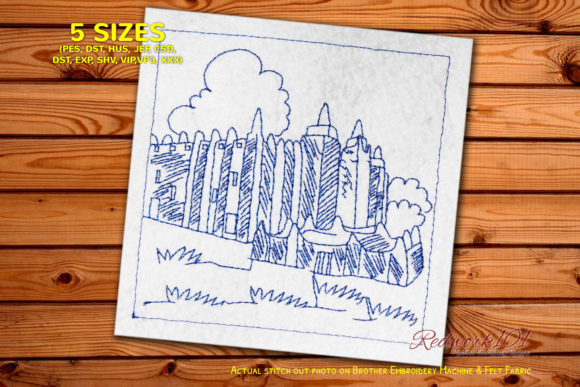
The visual mood of Djenne Town Bluework is sophisticated and grounded. It captures the essence of traditional mudcloth aesthetics but translates them into a format suitable for modern home decor and apparel. The detail level is impressive without being overwhelming. As a designer, I appreciate that the stitching personality feels organic. It does not look like a rigid computer-generated grid but rather like a hand-crafted textile artifact. The decorative appeal lies in its balance of negative space and filled areas, making it versatile for various fabric types.
This design naturally fits projects that require a touch of cultural richness and artisanal flair. Whether you are creating a high-end tote bag design or a statement pillow cover, the motif commands attention. It speaks to customers who value unique, globally inspired art over mass-produced graphics.
Performance in Real Embroidery Projects
When evaluating a digital embroidery file for commercial use, I always ask: how will this look on actual products? Djenne Town Bluework performs exceptionally well across several categories. For custom apparel, such as a linen shirt or a structured blazer, the design adds a bespoke element that elevates the garment’s perceived value. On sweatshirt embroidery, the bold lines hold up well against thicker fabrics, provided you use the correct stabilizer.
I also see great potential for this design in home goods. Imagine this stitched onto a heavy canvas apron for a boutique coffee shop or embroidered on kitchen towels as part of a curated gift set. The geometric nature of the pattern makes it ideal for an embroidered patch, which can be applied to caps, backpacks, or denim jackets. For nursery decor, the calming blue tones and rhythmic patterns create a soothing yet visually interesting focal point on a baby blanket or wall hanging.
For Etsy sellers and craft fair vendors, this design offers a distinct advantage. It allows for product differentiation. Instead of offering the same floral motifs as everyone else, you can present a collection rooted in African heritage and modern minimalism. This enhances brand consistency if your shop focuses on earthy, natural, or culturally inspired items.
Technical Considerations for Stitching
While the design is beautiful, practical execution requires attention to detail. One specific note from the product description states that "The Box Stitch shown in picture is optional." This is a significant feature for flexibility. It means you can simplify the design if you are working with a smaller hoop size or if you want a cleaner, less dense look. The description also mentions that the color of the outer box is different in most designs unless it is part of the design itself, and you can skip the color directly. This indicates a thoughtful digitization process that allows for customization.
However, there are technical challenges to consider. If you are stitching on stretchy fabric, such as jersey knits for t-shirts, you must use a cut-away stabilizer to prevent puckering. The stitch density appears moderate, but dense stitch areas can pull on lightweight fabrics. Always test on scrap fabric before committing to your final piece. Check thread color contrast carefully. Since this is a "Bluework" style design, using varying shades of blue can create depth, but ensure the contrast is sufficient so the details do not get lost, especially from a distance.
Curved surfaces, like the front of a cap, require careful hooping. The geometric lines must remain straight and symmetrical. If the design is too large for your standard cap frame, you may need to resize it, but be cautious. Resizing can alter the stitch density and cause thread breaks or needle hits. Confirm hoop size compatibility with your specific machine model before purchasing.
Enhancing Product Value and Buyer Trust
Using high-quality design assets like Djenne Town Bluework directly impacts your bottom line. A well-executed embroidered item suggests durability and care. When customers see precise satin stitch borders and smooth fill stitch areas, they trust the quality of your handmade product. This trust translates into repeat business and positive reviews.
Visual appeal is critical for online sales. This design photographs beautifully because of its textured appearance. The interplay of light and shadow on the stitches adds dimension to your product photography. For digital product sellers, creating printable mockups with this design can help visualize the final result for customers who order personalized gifts. It helps them imagine the finished product on their own items, increasing conversion rates.
Furthermore, this design supports the narrative of your brand. If you position yourself as a creative entrepreneur who values global artistry, this piece reinforces that message. It is not just an applique design or a simple running stitch outline; it is a conversation starter. This emotional connection can justify a higher price point for your custom apparel or home decor items.
Practical Tips for Best Results
To ensure success with Djenne Town Bluework, follow these practical steps:
- Test on Scrap Fabric: Always run a test stitch-out on the same type of fabric you plan to use for the final product. This helps you identify any tension issues or registration errors.
- Check Thread Colors: Experiment with different thread colors. While blue is traditional for this style, try earth tones or monochromatic schemes for a modern twist. Ensure the thread sheen complements the fabric texture.
- Review Stitch Density: If the design feels too stiff after stitching, consider reducing the density in your editing software if you have the skills, or choose a lighter weight fabric.
- Confirm File Details: Before downloading, check the Creative Fabrica product page for specific file formats compatible with your machine. Common formats include PES, DST, and JEF, but always verify.
- Licensing Check: Review the license terms on the product page. Most Creative Fabrica embroidery designs allow for commercial use of finished physical items, but it is essential to confirm this to protect your business.
- Use Proper Stabilizer: Match your stabilizer to your fabric. Use tear-away for stable woven fabrics and cut-away for knits or stretchy materials.
- Inspect Small Details: After stitching, inspect the small geometric elements. Trim any loose threads carefully to maintain a professional finish.
In conclusion, Djenne Town Bluework is a valuable addition to any embroidery designer’s library. It offers versatility, cultural depth, and technical soundness. Whether you are creating a seasonal handmade gift, expanding your boutique merchandise, or designing custom apparel for clients, this design delivers quality and style. By paying attention to the technical nuances and leveraging its visual appeal, you can create standout products that resonate with your audience. Remember to check the specific product details for any updates on file formats or usage rights, and happy stitching!