Review: 1968 Ford Mustang Fastback Redwork
As an embroidery designer who spends more time behind a hoop than in front of a mirror, I know that not every machine embroidery design is created equal. Some are technically perfect but visually boring, while others have that undeniable spark that makes customers stop at your booth. When I first loaded the 1968 Ford Mustang Fastback Redwork onto my machine, I was looking for that specific blend of nostalgia and clean execution that sells well at weekend markets. This isn’t just about cars; it is about capturing a mood that resonates with buyers who appreciate classic Americana.
First Impressions and Aesthetic Appeal
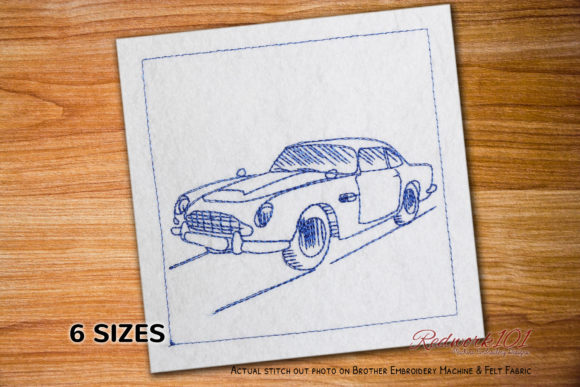
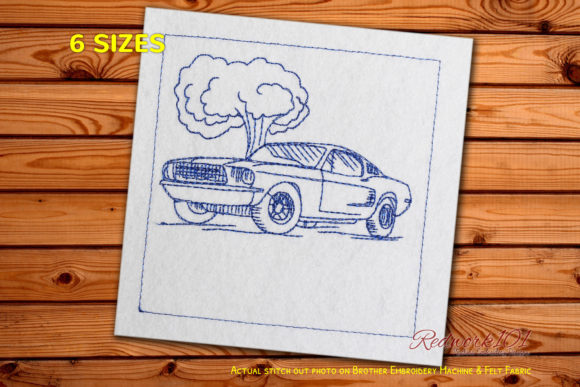
The immediate vibe of this design is bold yet minimalist. Redwork, by definition, relies on single-color stitching to create high-contrast imagery, and this piece leverages that tradition beautifully. It feels rustic without being messy, and modern without losing its vintage soul. For a craft fair product, clarity is king. Customers walking past your table have seconds to decide if they like what they see. The silhouette of the 1968 Mustang is iconic, and rendering it in redwork ensures the shape is instantly recognizable from three feet away.
This design does not try to be everything to everyone. It is not overly cute, nor is it aggressively masculine. It sits comfortably in a "classic cool" category that appeals to car enthusiasts, fans of mid-century decor, and anyone who appreciates clean lines. As a Transportation themed piece, it avoids the clutter often found in automotive graphics, making it versatile enough for various home goods and apparel.
Product Versatility for the Handmade Market
When planning your inventory for an upcoming fair or updating your online shop, consider where this embroidery file will perform best. I tested this concept across several common handmade product categories, and the results were telling.
- Tote Bags: This is arguably the strongest application. A canvas tote with a large, centered redwork Mustang creates an instant statement piece. It works as a standout tote bag design because the negative space allows the fabric texture to breathe.
- Kitchen Linens: For tea towel embroidery or aprons, the single-color scheme is practical. It reduces production time and looks crisp against white or cream linen. An apron embroidery project using this motif appeals to the "garage chic" or retro kitchen demographic.
- Patches and Accessories: If you scale it down correctly, this makes an excellent embroidered patch. However, you must be mindful of detail loss. Patches require dense stitching to hold up to wear, so ensure your stabilizer is robust.
- Home Decor: Pillow covers and wall hangings benefit from the graphic nature of redwork. It adds a pop of color without overwhelming a room’s existing palette.
For Etsy sellers and digital creators, this design offers great potential for printable mockup creation. The high contrast photographs exceptionally well, meaning your listing images will look professional and sharp even on mobile screens. Whether you are selling the digital embroidery file itself or the finished product, visual appeal drives clicks.
Production Realities and Technical Notes
While the aesthetic is strong, we must discuss the practicalities of turning this design assets into a small shop product. The product description notes that the box stitch shown in pictures is optional and that the outer box color may differ. This is a crucial detail for batch production. Consistency is key for brand recognition. If you are selling these as commercial embroidery items, decide early whether to include the border. Skipping it can give a more modern, floating look, while including it frames the design traditionally.
Here are critical technical considerations for any embroidery professional tackling this file:
- Stitch Density: Redwork typically uses lower density than fill-stitch designs, but you must check the stitch density settings. If it is too sparse, the fabric will show through awkwardly. If it is too dense on lightweight fabric, you risk puckering.
- Fabric Texture: This design shines on smooth or tightly woven fabrics. Avoid highly textured towels or fuzzy fleece, as the fine lines of redwork can get lost in the pile. Cotton, linen, and canvas are your best friends here.
- Thread Colors: Stick to traditional red for authenticity, but don’t be afraid to experiment. A navy blue or forest green thread could modernize the look for different seasons. Always test thread colors against your base fabric to ensure sufficient contrast.
- Hoop Size and Placement: Confirm the required hoop size before cutting your fabric. Since the box is optional, you have flexibility, but ensure the main car silhouette fits comfortably within your standard hoops to minimize re-hooping errors during mass production.
- Stabilizer Choice: Use a cut-away stabilizer for garments that will be washed frequently, like t-shirts or aprons. For home decor items like pillow covers, a tear-away might suffice, but always prioritize stability to maintain the crisp lines of the car.
Selling Strategy and Customer Engagement
Why does this specific design help your booth stand out? It taps into nostalgia. The 1968 Mustang is a cultural icon. When customers see it, they don’t just see a car; they remember road trips, classic movies, or a family heirloom vehicle. This emotional connection increases the perceived value of your handmade product.
To maximize sales, group this item with complementary products. If you are selling embroidered tote bags, place them next to vintage-style car care kits or retro sunglasses. Create a vignette that tells a story. For your online listings, use keywords that highlight both the technique and the subject. Terms like "vintage car embroidery," "redwork art," and "classic auto decor" will help Etsy sellers capture niche traffic.
Remember, as a creative entrepreneur, your goal is to reduce friction for the buyer. Make sure the design is legible, the quality is consistent, and the price reflects the skill involved. If you are new to selling commercial embroidery items, start with a small batch of tea towels and patches to gauge interest before committing to larger items like full-sized quilts or heavy coats.
Final Designer Verdict
The 1968 Ford Mustang Fastback Redwork is a solid addition to any designer’s library. It is not overly complex, which makes it efficient for production, yet it carries enough visual weight to be a focal point. It bridges the gap between hobbyist charm and professional polish. Before you launch, always stitch out a test sample on your intended fabric. Check for thread breaks, inspect the back for neatness, and confirm that the optional box element aligns with your brand aesthetic. With the right presentation, this design can become a staple in your craft fair lineup, appealing to anyone who loves the open road and the art of handmade creation.