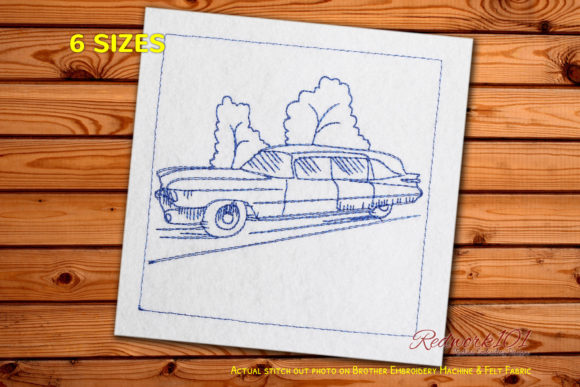
Review: 1959 Cadillac Miller Machine for Business Merch
As an embroidery designer who has spent years helping small businesses translate their brand identity into thread, I approach every new machine embroidery design with a critical eye. It is not just about whether the image looks pretty on a screen; it is about how it performs on fabric, how it holds up in the wash, and how it elevates the perceived value of the final product. Today, I am reviewing the 1959 Cadillac Miller Machine, a piece within the Transportation category that promises to bring a touch of classic automotive flair to branded merchandise.
The first impression of this design is one of nostalgic elegance mixed with industrial strength. The title alone evokes images of mid-century American craftsmanship, chrome details, and bold lines. For a business owner, this visual personality is crucial. It does not feel overly playful or childish; rather, it feels established, classic, and robust. This makes it an excellent candidate for brands that want to project reliability, heritage, or a love for vintage aesthetics. Whether you run a boutique coffee shop with a retro vibe, a custom auto repair shop, or a handmade goods store that values traditional craftsmanship, this design carries a weight of professionalism.
Real-World Applications for Small Business Merch
When evaluating a digital embroidery file for commercial use, I always ask: where does this live best? The 1959 Cadillac Miller Machine is versatile, but its strongest applications are in items that benefit from a statement piece. Here is how I see this design performing in real business scenarios:
- Embroidered Patches: This is perhaps the most lucrative application. A well-digitized car design can be turned into a high-quality patch for jackets, bags, or hats. Patches allow customers to buy into your brand identity without committing to a full garment. The bold lines of a classic Cadillac translate beautifully to the texture of twill or felt backing.
- Staff Uniforms and Aprons: For cafes, bakeries, or creative studios, apron embroidery adds a premium touch. Placing this design on the chest or lower corner of a canvas apron signals attention to detail. It turns a standard uniform into a piece of custom apparel that staff are proud to wear.
- Cap Embroidery: A cap front is a prime location for branding. However, curvature matters. If the design is wide, it needs to be scaled correctly to avoid distortion on the curved panel of a baseball cap. When done right, it becomes a walking advertisement for your brand.
- Tote Bag Design: Canvas tote bags are staples for Etsy sellers and boutique owners. A central placement of this transportation-themed design can turn a simple bag into a desirable accessory. It appeals to customers who appreciate vintage style and practical utility.
Navigating Technical Challenges and Fabric Textures
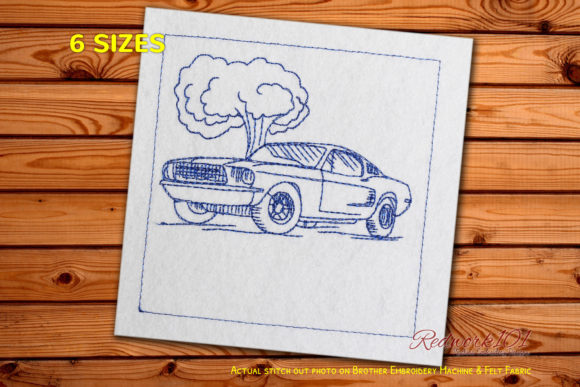
While the aesthetic appeal is strong, we must address the technical realities of production. The product description notes that "The Box Stitch shown in picture is optional" and mentions color variations for the outer box. This flexibility is a double-edged sword. As a designer, I advise you to test the design both with and without the box stitch. Removing the box might clean up the look for smaller applications, while keeping it might provide necessary framing for larger pieces.
One major consideration is stitch density. Classic car designs often feature intricate details like grilles, headlights, and wheel spokes. If the digitizing is too dense, it can cause puckering, especially on lighter fabrics like cotton t-shirts or linen tote bags. Conversely, if the density is too low, the fabric may show through, ruining the solid appearance of the car body. Always request a sample or check the stitch count if available before running a large batch.
Fabric texture also plays a pivotal role. On textured fabrics like terrycloth towels or heavy denim, fine details can get lost. For the 1959 Cadillac Miller Machine, I recommend using it on smooth, stable fabrics such as polo shirts, canvas, or twill. If you must embroider on textured material, consider simplifying the color palette to ensure the shape remains recognizable from a distance.
Enhancing Brand Identity and Customer Trust
Why does this matter for your bottom line? Because consistent, high-quality design assets build trust. When a customer receives a product with crisp, professional embroidery, they perceive the brand as established and reliable. A sloppy or poorly scaled logo does the opposite. The 1959 Cadillac Miller Machine, when executed correctly, contributes to a cohesive visual story. It tells customers that you care about the details, from the thread colors to the choice of stabilizer.
For handmade product creators, adding this level of customization increases the perceived value of the item. A plain tote bag might sell for $15, but one with a unique, well-executed embroidered design can command $30 or more. It transforms a commodity into a collectible.
Practical Designer Notes for Production
Before you upload this file to your machine and start producing inventory, follow these essential steps to ensure quality control:
- Test in Black and White First: Remove all color variables by stitching the design in a single thread color. This helps you identify any gaps in coverage or issues with stitch direction without the distraction of thread choices.
- Check Scalability: Determine the minimum viable size. Can it still be recognized as a Cadillac at 2 inches wide? If not, it may not be suitable for small chest logos or tiny patches.
- Review Thread Color Contrast: The description mentions the outer box color varies. Ensure your chosen thread colors contrast sufficiently with your fabric. Dark threads on dark uniforms are a common mistake that renders the design invisible.
- Confirm Hoop Size and Stabilizer: Match the design dimensions to your hoop size. Use a cut-away stabilizer for garments that will be washed frequently to prevent distortion over time. For hats, use a stiff backing to support the weight of the stitches.
- Create a Printable Mockup: Before stitching, place the design digitally on a photo of your actual product. This helps visualize placement and proportion, saving you from costly mistakes.
- Verify Commercial Licensing: The product description does not explicitly state license terms. Always confirm with the seller that the embroidery file includes commercial rights before selling finished products. Protect your business from legal issues.
In conclusion, the 1959 Cadillac Miller Machine is a promising asset for small business merchandising. It offers a blend of classic style and modern applicability. By paying attention to fabric choice, stitch density, and proper stabilization, you can leverage this design to create high-value custom apparel and accessories. Remember, the goal of commercial embroidery is not just to put a logo on a shirt, but to create a tangible representation of your brand’s quality and character. With careful execution, this transportation-themed design can drive engagement and elevate your brand presence in the marketplace.