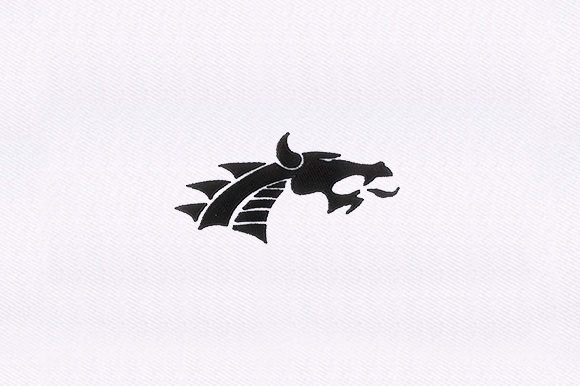
Reviewing the Creepy Fish Cap Design for Business Use
As an embroidery designer who has spent years digitizing artwork and consulting with small business owners, I have learned that a machine embroidery design is never just about aesthetics. It is a functional asset. When I first encountered the Creepy Fish Cap Design, my immediate reaction was not just to admire the visual style, but to evaluate its viability as a commercial product. For boutique owners, Etsy sellers, and apparel decorators, the difference between a cute graphic and a profitable embroidered patch lies in technical execution and brand alignment.
This review breaks down how this specific fish-themed motif performs in real-world applications, from staff uniforms to customer gifts, and what you need to consider before adding it to your digital library.
First Impressions: Visual Personality and Brand Fit
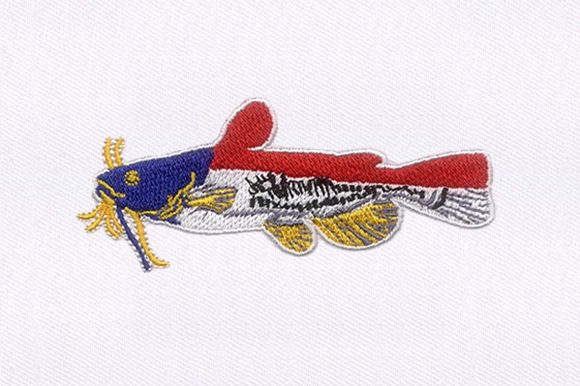
The title itself, Creepy Fish Cap Design, suggests a distinct personality. It is not trying to be elegant or minimalist. Instead, it leans into a playful, slightly edgy, or rustic aesthetic. For brands that thrive on humor, uniqueness, or a "handmade" vibe, this design offers immediate character. It feels bold and decorative, which can be a powerful tool for brand identity. If you run a quirky café, a local bait shop, a pet brand with a sense of humor, or a creative studio that values eccentricity, this design communicates that personality instantly.
However, for corporate environments or luxury boutiques, the "creepy" aspect might clash with a premium image. The key is context. In the world of small business merch, standing out is often more valuable than blending in. This design does not whisper; it speaks. That makes it ideal for conversation-starting merchandise.
Performance in Real Business Applications
When evaluating a digital embroidery file, I always ask: where will this live on the product? The versatility of this fish motif allows for several strategic uses in commercial embroidery projects.
- Embroidered Patches: This is perhaps the strongest use case. A patch allows for higher stitch density and better detail retention than direct-to-garment embroidery. You can produce these in batches and apply them to various items, creating a cohesive look across different product lines.
- Cap Embroidery: As the name implies, this design is suited for headwear. On a structured cap, the curved surface requires careful digitizing to prevent distortion. If the design is well-digitized, it serves as a fantastic focal point on the front panel.
- Apron Embroidery: For bakeries, florists, or craft studios, branded aprons are essential. Placing this fish design on the chest or pocket adds a touch of whimsy to staff uniforms, making employees approachable and memorable.
- Tote Bag Design: Canvas totes are a staple for handmade brands. A bold fish motif works well here because the sturdy fabric supports heavier stitching without puckering.
Using this design as a sleeve detail or a back-of-shirt accent can also elevate a simple t-shirt into a collectible piece of custom apparel. It transforms a basic garment into a statement piece that customers are proud to wear.
Technical Considerations and Production Risks
While the artistic appeal is clear, the technical side requires scrutiny. Not every design translates well to every surface. Here are the critical factors I check before running a production batch.
Fabric Texture and Stabilizer Choice
The success of any embroidery file depends heavily on the substrate. For this fish design, if it features intricate outlines or high detail, textured fabrics like terrycloth or heavy canvas may obscure fine lines. Conversely, on smooth polyester blends, the design will pop. Always test on the actual fabric texture you plan to use. Furthermore, using the correct stabilizer is non-negotiable. For caps, a stiff backing is required to maintain shape, while for tote bags, a cut-away stabilizer ensures longevity after repeated washing.
Size and Stitch Density
One common mistake in small business merch is scaling a design too small. If the Creepy Fish Cap Design has dense areas, shrinking it below two inches may cause thread breaks or bird-nesting. You must verify the recommended hoop size and minimum dimensions. If the design relies on tiny details, it may not survive the industrial washing cycles that staff uniforms endure. Always check if the design holds up at smaller patch sizes before committing to a large order.
Thread Color Contrast
Since the design is described as "creepy," it likely utilizes specific color palettes—perhaps dark greens, blacks, or muted tones. On dark uniforms, such as navy or black work shirts, you must ensure there is enough contrast. Using light-colored threads for outlines can help the design stand out against dark backgrounds. Always create a printable mockup to visualize how the thread colors interact with your base garment.
Enhancing Brand Identity and Customer Trust
Consistency builds trust. When customers see the same high-quality design assets across your website, packaging, and physical products, it reinforces professionalism. Using a unique motif like this fish design helps differentiate your brand from competitors who use generic clipart. It signals that you invest in custom, high-quality finished product standards.
For Etsy sellers and crafters, offering items with this exclusive design can increase perceived value. It moves the product from a commodity to a branded experience. Customers are more likely to engage with and share photos of merchandise that looks distinctive and well-crafted.
Practical Designer Notes for Implementation
Before you purchase or download this machine embroidery design, follow these steps to ensure a smooth production process:
- Check File Formats: Ensure your machine supports the provided formats. This design includes 10O, ART, CND, DSB, DST, DSZ, EXP, HUS, JEF, PCS, PEC, PES, TAP, VIP, VP3, and XXX. Verify compatibility with your specific embroidery hardware.
- Test in Black and White: Before using colored threads, stitch out the design in black thread on white fabric. This reveals the structure, spacing, and any potential digitizing errors without the distraction of color.
- Confirm Commercial Licensing: Never assume a file is free for commercial use. Check the license terms explicitly. If you are selling handmade product items featuring this design, you must have the right to do so.
- Create Client Mockups: If you are designing for a client, place the design on a digital template of their chosen garment. This manages expectations and allows for approval before stitching begins.
- Inspect Spacing and Density: Look for areas where stitches are too close together, which can cause fabric pull, or too far apart, which may show the backing material.
In conclusion, the Creepy Fish Cap Design is a potent tool for businesses looking to inject personality into their merchandise. It is not just a picture of a Fish; it is a branding opportunity. By respecting the technical limits of Embroidery and understanding your target audience, you can turn this digital file into a tangible asset that drives sales and strengthens your brand presence. Always prioritize quality testing and proper licensing to protect your business and delight your customers.