Reviewing Beautiful Quilting Design for Business Merch
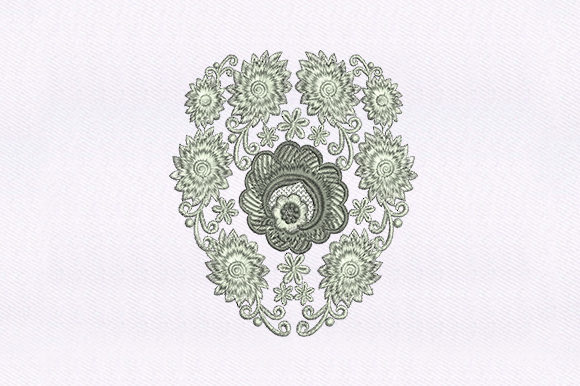
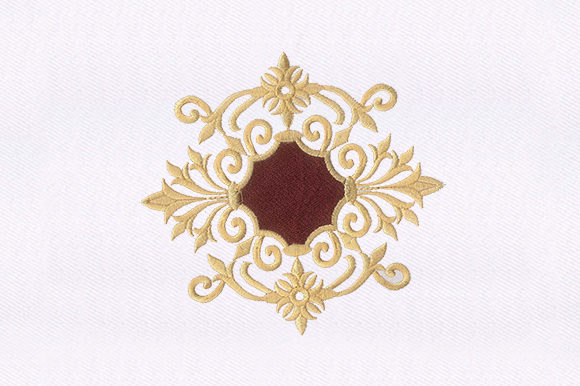
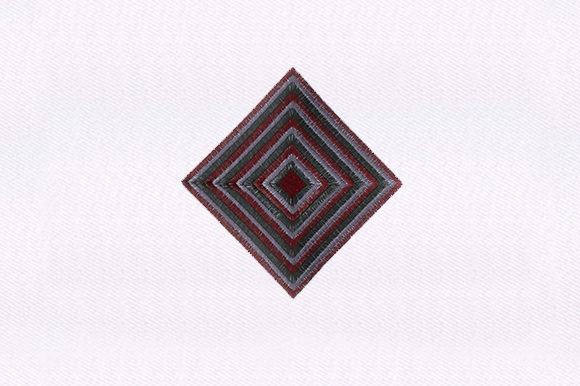
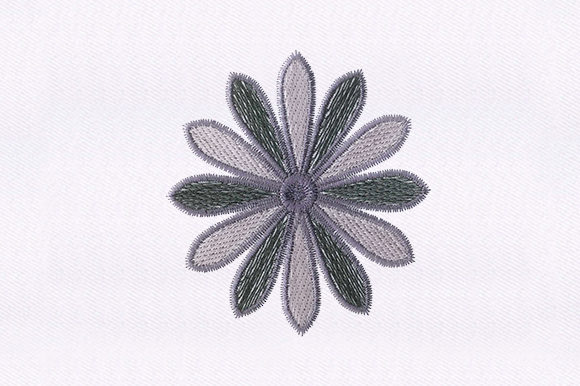
As an embroidery designer who has spent years digitizing and testing files for commercial use, I approach every new machine embroidery design with a critical eye. It is not enough for a pattern to look pretty on a screen; it must perform under the needle, withstand washing, and elevate the brand it represents. Today, I am reviewing Beautiful Quilting Design, a digital asset categorized under Bedroom and Embroidery, to determine its viability for small business merchandise, branded patches, and custom apparel.
For boutique owners, Etsy sellers, and local businesses, the choice of design assets can make or break a product line. Let us dive into how this specific design holds up when moved from the digital realm to physical fabric.
First Impressions and Visual Personality
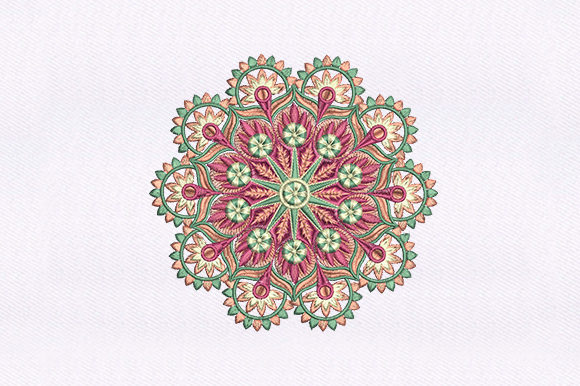
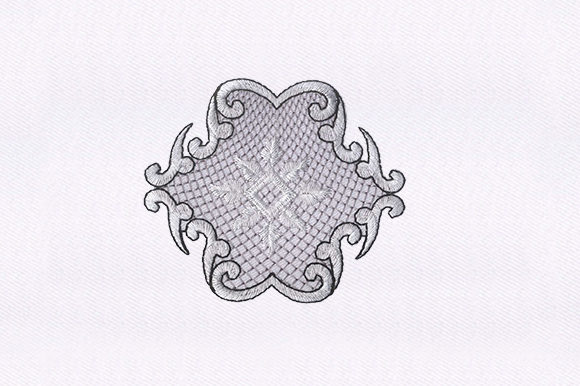
The title Beautiful Quilting Design suggests a certain aesthetic expectation. In the world of embroidery, "quilting" often implies texture, density, and a classic, perhaps rustic or traditional feel. Upon initial inspection, this design appears to lean towards a decorative and elegant style rather than a bold, modern graphic. This distinction is crucial for brand identity. If your business is a high-end florist, a vintage bakery, or a handmade jewelry studio, this visual personality aligns well with a premium, trustworthy image.
However, for a tech startup or a streetwear brand, this design might feel too soft or ornamental. The key is matching the design’s inherent character with your target audience. For brands aiming to convey warmth, craftsmanship, and attention to detail, this design serves as a strong candidate for enhancing customer trust and recognition.
Versatility in Commercial Embroidery Applications
The true test of any digital embroidery file is its versatility across different products. Here is how Beautiful Quilting Design performs in real-world business scenarios:
- Embroidered Patches: This is arguably the strongest use case. A patch allows you to control the backing and stabilizer precisely. The intricate details of a quilting-inspired pattern can shine here without the distortion that sometimes occurs on stretchy fabrics. It works excellently as a branded seal for packaging or a collectible item for loyal customers.
- Tote Bag Design: Canvas tote bags are a staple for cafes and bookstores. The sturdy nature of canvas supports the stitch density required for detailed patterns. Placing this design on a tote adds immediate perceived value, turning a simple bag into a fashionable accessory.
- Apron Embroidery: For bakeries, florists, and craft studios, staff aprons are walking billboards. This design offers a sophisticated alternative to standard block-letter logos. It suggests that the staff cares about aesthetics and quality, reinforcing the brand’s commitment to excellence.
- Cap Embroidery: Use caution here. While possible, complex quilting patterns can become muddy on the curved, structured front of a cap. If used, it should be scaled down significantly to serve as a subtle accent rather than a dominant feature.
Technical Considerations for Production
Before running a production batch, we must address the technical realities. The product description lists an impressive array of embroidery file formats, including DST, PES, EXP, JEF, and VIP. This wide compatibility is a significant advantage for shops using various machine brands like Brother, Janome, Bernina, or Husqvarna. However, availability of formats does not guarantee optimal performance on every fabric.
Stitch density is a primary concern with designs labeled as "quilting." High density can cause puckering on lightweight fabrics. If you plan to use this on thin cotton shirts or silk labels, you must pair it with a high-quality cut-away stabilizer. For heavier items like denim jackets or canvas bags, a tear-away stabilizer may suffice, but testing is non-negotiable.
Another critical factor is thread colors. A design with fine details relies heavily on contrast. If your brand colors are low-contrast (such as beige thread on cream fabric), the intricacy of the design will vanish. Always create a printable mockup or stitch out a sample in your intended color palette before committing to a large run.
Strategic Placement and Brand Identity
Where you place Beautiful Quilting Design affects how it is perceived. On a chest pocket, it acts as a subtle mark of quality. On the sleeve of a work shirt, it becomes a distinctive signature. For event merch, such as wedding favors or conference gifts, this design can transform generic items into cherished keepsakes.
Consistency is vital for brand identity. If your logo is minimal and geometric, pairing it with a highly ornate quilting design might create visual dissonance. However, if your brand voice is warm, inviting, and artisanal, this design reinforces that narrative. It tells the customer that your business values tradition and detailed craftsmanship.
Practical Designer Notes for Implementation
To ensure success with this asset, follow these professional guidelines:
- Test in Monochrome First: Stitch the design in black thread on white fabric. This reveals the structural integrity of the digitizing without the distraction of color. Check for jumps, trims, and overall flow.
- Check Hoop Size Compatibility: The description does not specify exact dimensions. You must open the file in your editing software to confirm the hoop size required. Ensure it fits within your machine’s maximum area without resizing, which can distort stitch angles.
- Evaluate Fabric Texture: Textured fabrics like terry cloth or wool can swallow fine details. If using this on such materials, consider simplifying the design or increasing the scale slightly to maintain visibility.
- Verify Commercial Licensing: Before selling items featuring this design, confirm the license terms. Most digital files allow for physical product sales, but restrictions may apply to mass production or digital redistribution. Protect your business by reading the fine print.
- Create Client Mockups: If you are a decorator working for a client, present a realistic mockup showing the design on their specific garment. This manages expectations and reduces the risk of dissatisfaction with the final finished product.
Final Verdict for Small Business Owners
Beautiful Quilting Design is a robust asset for businesses that prioritize a handmade, premium aesthetic. It is not a one-size-fits-all solution, but for the right niche—such as boutique hotels, artisanal food brands, or creative studios—it offers a unique way to enhance small business merch. By paying attention to stabilizer choice, thread contrast, and placement, you can leverage this design to boost product value and customer engagement. Always remember that the best embroidery is not just seen; it is felt in the quality of the final item.