Review: Square Quilting Design for Modern Makers
As an embroidery designer who spends countless hours digitizing and stitching, I am always on the lookout for design assets that bridge the gap between aesthetic appeal and technical reliability. Recently, I explored the Square Quilting Design available on Creative Fabrica to determine if it holds up under the scrutiny of real-world production. For those of us running small businesses or selling handmade goods on platforms like Etsy, a digital embroidery file is not just a pretty picture; it is a tool that must perform consistently across various fabrics and hoop sizes.
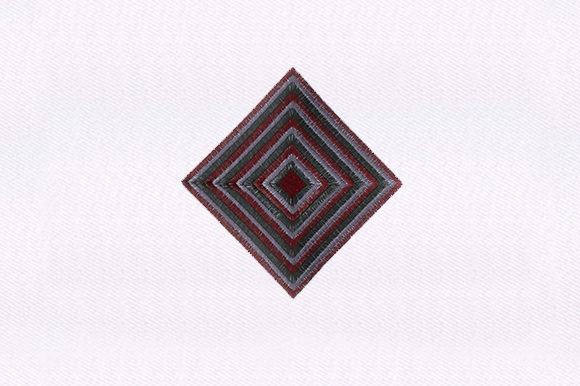
My initial impression of this design was one of understated elegance. The visual mood leans toward modern minimalism, making it a versatile addition to any Bedroom decor collection or contemporary apparel line. Unlike overly complex motifs that can get lost in dense fabric textures, this design relies on clean lines and geometric precision. The stitching personality appears balanced, avoiding the pitfalls of excessive density that often plague budget-friendly design packs. For embroidery designers looking to expand their library without sacrificing quality, this piece offers a refreshing departure from traditional floral or script-heavy options.
Visual Appeal and Project Compatibility
The strength of the Square Quilting Design lies in its adaptability. When I consider where this motif fits best, my mind immediately goes to structured items that benefit from linear accents. It is an ideal candidate for a tote bag design, where the geometric square can serve as a focal point or a subtle corner accent. The clean edges translate well to canvas and cotton blends, providing a professional finish that elevates a simple bag into a boutique merchandise item.
Beyond accessories, this design shines in home goods. Imagine this pattern stitched onto a high-quality linen pillow cover or a set of kitchen towels. The geometric nature of the square complements modern interior trends, making it a strong seller for craft fair products. For those focusing on nursery decor, the simplicity of the shape allows for playful color combinations without appearing childish. It creates a sense of order and calm, which is highly desirable in Bedroom textiles and baby items.
Performance on Real Fabrics and Garments
Translating a digital concept into a finished product requires understanding how stitches interact with different materials. I evaluated how this design might perform on common substrates used in commercial embroidery. On stable fabrics like denim or twill, the design should stitch out cleanly with minimal distortion. However, when applying it to stretchy fabric, such as a jersey knit for a sweatshirt embroidery project, careful attention to stabilization is crucial.
For curved surfaces like caps, the square geometry presents a unique challenge. While flat squares are easy to digitize, maintaining perfect right angles on a curved cap surface requires precise hooping and potentially a slightly adjusted pull compensation. If you are new to cap embroidery, I recommend testing this design on a scrap piece of similar weight fabric first. The design’s structure suggests it uses a combination of running stitch outlines and potential fill stitch areas, though the exact balance depends on the specific size chosen. Ensuring the stitch density is appropriate for the fabric weight will prevent puckering, a common issue in custom apparel.
Another practical consideration is the use of dark fabric. Geometric designs often rely on contrast. If you are stitching white thread on black fleece, the visibility of each stitch becomes critical. Any irregularities in tension or registration will be more apparent than on light-colored materials. Therefore, reviewing thread color contrast and doing test runs on both light and dark mockups is essential before committing to a large customer order.
Technical Considerations and File Formats
One of the most compelling features of this product is the extensive range of supported formats. The Creative Fabrica embroidery listing includes 10O, ART, CND, DSB, DST, DSZ, EXP, HUS, JEF, PCS, PEC, PES, TAP, VIP, VP3, and XXX files. This broad compatibility ensures that whether you are using a Brother, Janome, Husqvarna, or Bernina machine, you can likely find a native format that minimizes conversion errors. For professional embroiderers, having access to the original DST or EXP files is particularly valuable for making minor edits if needed.
However, it is vital to note that while the formats are comprehensive, specific technical details such as exact stitch count, dimensions, and recommended hoop size are not explicitly detailed in the brief description provided. As a responsible designer, I advise you to check the product details page on Creative Fabrica thoroughly before downloading. Confirming the maximum hoop size required is critical to ensure the design fits your machine’s capabilities. Additionally, verifying the license terms is mandatory if you intend to sell the handmade product commercially. Most designs on Creative Fabrica come with a commercial license, but reading the specific terms protects your business from legal issues.
Enhancing Product Value and Brand Consistency
Incorporating a well-executed geometric design like this can significantly impact buyer trust and brand perception. Customers associate clean, precise stitching with high-quality craftsmanship. When you use a consistent design language across your product line—such as using this square motif on aprons, patches, and tote bags—you create a cohesive brand identity. This consistency helps in building a loyal customer base who recognizes your style instantly.
Furthermore, the visual appeal of geometric embroidery translates beautifully into printable mockup images for online listings. The sharp lines photograph well, allowing you to create striking marketing assets that stand out in crowded marketplaces. A well-lit photo of this design on a textured fabric can drive customer engagement and increase conversion rates for your Etsy listings.
Practical Tips for Success
To get the best results from the Square Quilting Design, follow these practical steps:
- Test on Scrap Fabric: Always stitch a sample on the same type of fabric you plan to use for the final product. This helps you identify any tension issues or density problems.
- Use Proper Stabilizer: Match your stabilizer to the fabric. Use cut-away stabilizer for stretchy knits and tear-away for stable wovens to ensure the design remains crisp after washing.
- Inspect Small Details: After stitching, inspect the corners of the square. Sharp corners require precise stops and starts. If the corners are rounded or messy, adjust your machine’s tension or slow down the stitching speed.
- Check Thread Colors: Experiment with monochromatic threads for a subtle, quilted look, or high-contrast threads for a bold statement. The choice of thread can completely change the vibe of the design.
- Verify Licensing: Before selling any personalized gift or custom apparel featuring this design, confirm the commercial use rights on the product page.
In conclusion, the Square Quilting Design is a solid addition to any embroidery designer’s toolkit. Its versatility across various Embroidery projects, from home decor to wearable art, makes it a valuable asset. By paying attention to technical details and fabric choices, you can leverage this design to create high-quality, profitable handmade goods that resonate with modern consumers.