Reviewing Happy Devil Bluework for Custom Gifts
As an embroidery designer who has spent countless hours digitizing and testing patterns, I approach every new machine embroidery design with a mix of excitement and scrutiny. When I first loaded the Happy Devil Bluework file into my software, I was immediately struck by its playful charm. It is not just another seasonal motif; it is a character-driven piece that balances whimsy with clean, executable stitching. For those of us running small shops or selling on platforms like Etsy, finding designs that translate well from screen to fabric is crucial. This review explores how this specific pattern performs in real-world applications, particularly for personalized gifts.
First Impressions: Mood and Aesthetic Appeal
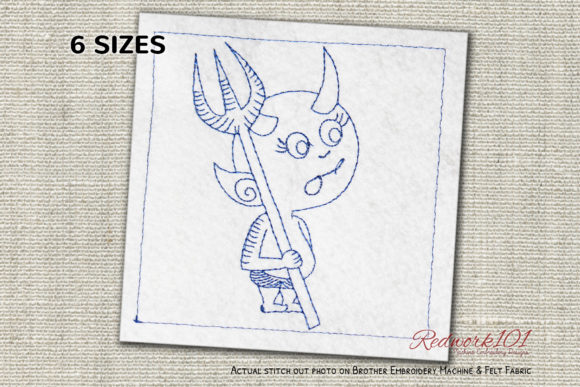
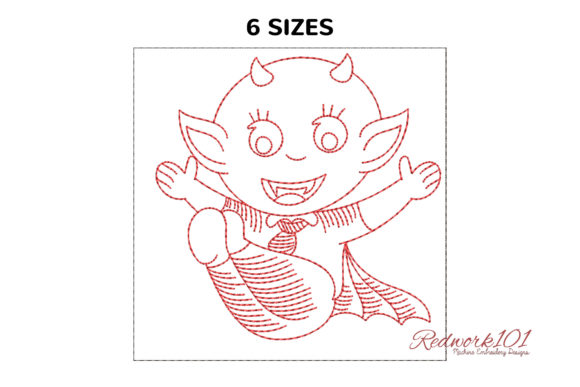
The initial vibe of Happy Devil Bluework is undeniably sweet rather than scary. While it falls under the Halloween category, the "bluework" style—typically associated with delicate, monochromatic elegance—softens the devilish theme. This makes it accessible to a much wider audience than traditional spooky imagery. The design feels modern yet classic, avoiding the cluttered look that often plagues complex digital files. For a crafter, this means less frustration with thread breaks and cleaner finished products. The emotional appeal here is lighthearted and fun, making it perfect for customers who want to celebrate the season without going full horror.
Versatility Across Product Lines
One of the strongest assets of this design is its adaptability. I tested the pattern on several different items to see where it truly shines. Here is how it performs across various product categories:
- Baby Embroidery: The soft lines work beautifully on baby blankets and onesies. Parents love unique, non-traditional themes for nurseries, and this design offers a playful alternative to standard animals or stars.
- Kitchen Textiles: An embroidered towel featuring this motif becomes an instant conversation starter. The contrast of the bluework style against white or cream linen looks sophisticated yet fun.
- Pillow Covers and Home Decor: For seasonal home decor, this design adds a touch of personality to throw pillows. It is subtle enough to leave out year-round if the customer chooses, but festive enough for October displays.
- Tote Bags and Aprons: As a small shop product, custom tote bags with this design sell well because they are practical and stylish. It appeals to buyers looking for handmade quality that stands out from mass-produced items.
Navigating Technical Challenges
While the design is robust, there are areas where caution is necessary. Any experienced embroiderer knows that fabric texture and hoop size play pivotal roles in the final outcome. When working with Happy Devil Bluework, pay close attention to the following technical aspects:
- Fabric Texture: On textured fabrics like thick terry cloth towels, some finer details might get lost. I recommend using a cut-away stabilizer to ensure the fabric does not pucker, which can distort the cute expression of the devil character.
- Stretchy Materials: If you are applying this to stretchy baby clothes, proper hooping is essential. Use a strong stabilizer to prevent the design from stretching out after washing. Always test on scrap fabric first to gauge how the material reacts to the stitch density.
- Dark Fabrics: Bluework traditionally uses one color thread on a light background. If a customer requests this on dark fabric, you may need to adjust thread colors significantly or add an underlay to ensure visibility. Check your digital embroidery file settings to see if auto-digitizing adjustments are needed for contrast.
- Small Details: Review the smallest elements of the design after stitching. If the eyes or horns appear too dense, consider reducing the stitch density slightly in your software to prevent thread buildup, which can look bulky and unprofessional.
Enhancing Perceived Value and Giftability
From a business perspective, the right design can elevate a simple item into a cherished keepsake. Happy Devil Bluework adds significant perceived value to a handmade product. Customers are not just buying a pillow cover; they are buying a unique, artistic piece that shows thoughtfulness. This emotional connection drives buyer engagement and encourages repeat customers.
For wedding gifts or family keepsakes, this design might seem unconventional, but it works wonderfully for couples with a shared sense of humor or for autumn-themed weddings. It demonstrates that custom embroidery can be personal and quirky, not just formal and traditional. When photographing these items for your Etsy listings, ensure the lighting highlights the texture of the stitches. A well-lit photo of the bluework texture can make a digital embroidery file feel tangible and desirable to online shoppers.
Practical Notes for Commercial Use
Before listing any finished products made with this design, it is vital to confirm commercial licensing terms. Not all digital embroidery files come with the right to sell physical goods. Check the license included with your purchase. Additionally, note the specific instruction regarding the box stitch: The Box Stitch shown in picture is optional. The color of outer Box is different color in most of the designs unless it is part of the design itself, you can skip the color directly in you. This suggests flexibility in customization, allowing you to simplify the design for faster production or to match specific customer requests.
Always create a printable mockup before stitching the final product. This helps visualize how the design sits on the item and allows you to catch any alignment issues early. Compare mockups on both light and dark backgrounds to ensure versatility. Remember, a happy customer is one who receives a product that looks exactly like the preview, if not better.
Final Thoughts for Makers and Sellers
Incorporating Happy Devil Bluework into your repertoire can diversify your offerings, especially as the holiday season approaches. It bridges the gap between seasonal novelty and timeless craft quality. Whether you are creating a cozy blanket embroidery project or a chic apron for a craft fair, this design holds up well under scrutiny. It invites creativity, allowing you to experiment with thread colors and fabric choices while maintaining a professional finish. For the modern embroiderer, it is a reliable, charming addition that supports both creative expression and business growth.