Coffee Have a Break: A Designer’s Review for Craft Fairs
As an embroidery designer who has spent countless weekends behind a booth table, I know that not every design translates into a bestseller. Some designs look beautiful on a screen but fall flat in person, while others have that undeniable "pick me up" energy that draws customers in from three aisles away. Today, I am reviewing Coffee Have a Break, a machine embroidery design that promises to be a staple for any seller focusing on kitchenware, accessories, or gift items. This review is written from the perspective of preparing for a high-traffic craft fair, evaluating whether this applique design deserves a spot in your next production batch.
First Impressions and Market Appeal
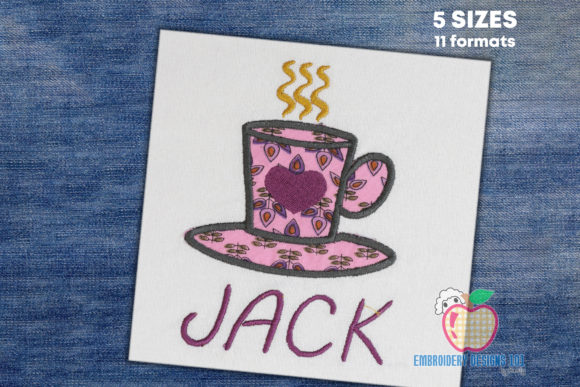
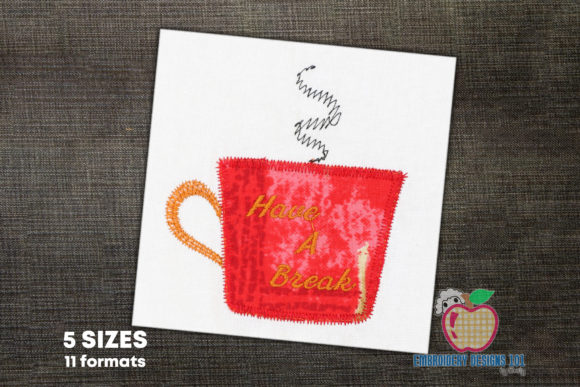
The title Coffee Have a Break immediately sets a relaxed, inviting tone. In the world of handmade products, humor and relatability sell. This design does not try to be overly ornate or strictly traditional; instead, it leans into a modern, casual aesthetic that appeals to a broad demographic. When I visualize this on a display table, it feels like a perfect fit for the "self-care" and "home comfort" sections of a market. It is bold enough to be read from a distance yet simple enough to feel approachable.
For Etsy sellers and boutique makers, the appeal lies in its versatility. The description notes that this is an applique design with steps separated by color changes. This is a crucial detail for production efficiency. Applique designs generally use less thread and run faster than full-fill satin stitches, which means you can produce more units in less time. For a small shop product, speed and material cost are just as important as aesthetics.
Product Versatility and Display Strategy
When planning my craft fair inventory, I look for designs that can stretch across multiple product categories without losing their impact. Here is how Coffee Have a Break performs across various items:
- Tote Bag Design: This is arguably the strongest candidate. A canvas tote with a large, clean applique graphic is a high-margin item. The design’s likely bold lines will stand out against natural cotton or colored canvas, making it an eye-catching carry-all for grocery runs or library visits.
- Apron Embroidery: Kitchen aprons are perennial favorites. Placing this design on the bib of a half-apron creates a fun, functional piece that makes a great gift for home cooks. The applique fabric adds texture and durability, which is essential for an item that will be washed frequently.
- Tea Towel Embroidery: While the product category mentions Tea, this design bridges the gap between coffee and tea lovers. However, caution is needed here. Tea towels often have a waffle or textured weave. Ensure the applique placement avoids the roughest textures to maintain a clean finish.
- Embroidered Patch: If you offer iron-on or sew-on patches, this design is ideal. Patches allow customers to customize their own jackets or bags, increasing engagement at your booth. It acts as a low-cost entry point for buyers who might not want to commit to a full garment.
- Caps and Pouches: For curved surfaces like caps, the design must be scaled down carefully. As an accent on a small fabric pouch, it adds a premium touch to a simple zipper bag, elevating it from a basic accessory to a branded handmade product.
Production Practicalities and Technical Notes
Before committing to a large batch, any serious embroidery business owner must consider the technical execution. The description states that Coffee Have a Break comes with multiple embroidery file formats and can be used in multiple embroidery machines. This compatibility is vital for sellers who may switch between hoop sizes or machine brands. However, since specific stitch counts and exact hoop size requirements are not detailed in the brief description, you must check these details in the included download folder before starting.
Here are critical production notes to ensure quality:
- Stitch Density and Fabric Texture: Applique designs rely on the contrast between the base fabric, the applique fabric, and the tack-down stitches. Test the design on scrap fabric first. If the stitch density is too high for lightweight fabrics, it may pucker. Conversely, on thick fabrics like denim or canvas, ensure your needle is strong enough to penetrate without breaking.
- Stabilizer Selection: Because this is likely a multi-step process involving placement, tack-down, and satin border stitches, using the right stabilizer is non-negotiable. A cut-away stabilizer is often safer for items that will be washed repeatedly, such as aprons and tote bags, to prevent distortion over time.
- Thread Colors and Contrast: The visual appeal of an applique depends heavily on thread contrast. Choose a border thread color that stands out against both the background fabric and the applique fabric. For a Coffee Have a Break theme, warm browns, creams, and deep blacks usually work well, but don’t be afraid to test vibrant colors for a modern twist.
- Small Details and Lettering: If the design includes text, inspect it closely at smaller sizes. Tiny lettering can become illegible if the satin stitches are too narrow or if the fabric texture interferes. Always create at least one real mockup on the actual product material to confirm readability.
Maximizing Sales Through Visual Presentation
In a crowded craft fair, your booth display strength determines your foot traffic. Coffee Have a Break offers excellent potential for creating a cohesive brand look. Imagine a display featuring matching tote bags, aprons, and mugs (with embroidered cozies) all featuring the same motif. This repetition builds brand consistency and makes your booth look professional and curated.
For online listings, this design photographs well because applique adds physical depth and shadow, which looks superior to flat prints in photos. Use natural lighting to highlight the texture of the applique fabric. Create a printable mockup or digital composite for your Etsy seller listings to show the design on various backgrounds, helping customers visualize the finished product in their homes.
Furthermore, consider the commercial embroidery aspect. Since this is a digital embroidery file, ensure you understand the license terms. Most designers allow you to sell finished physical products, but restrictions may apply to mass production or sharing the digital file itself. Confirming commercial licensing before selling finished products protects your business and respects the creator’s work.
Final Verdict for the Handmade Market
Coffee Have a Break is a strong contender for any embroidery portfolio focused on lifestyle and home goods. Its strength lies in its simplicity and emotional connection—everyone needs a break, and everyone loves coffee. By leveraging the efficiency of applique and focusing on high-visibility products like tote bags and aprons, you can create a profitable line of craft fair products. Remember to test your hoop size, check the stitch density on your specific machine, and choose fabrics that enhance the design’s charm. With careful production and strategic display, this design can become a reliable staple in your small shop product lineup, driving both customer attention and buyer engagement.