Baby Angel Machine Embroidery Review
As an embroidery designer who spends countless hours digitizing and testing files for commercial use, I approach every new download with a critical eye. We are not just looking for pretty pictures; we are looking for reliability, stitch quality, and marketability. Recently, I evaluated the Baby Angel Machine design available on Creative Fabrica to determine if it meets the rigorous standards required for real-world handmade products. This review breaks down the visual appeal, technical performance, and commercial potential of this specific embroidery file.
First Impressions and Visual Mood
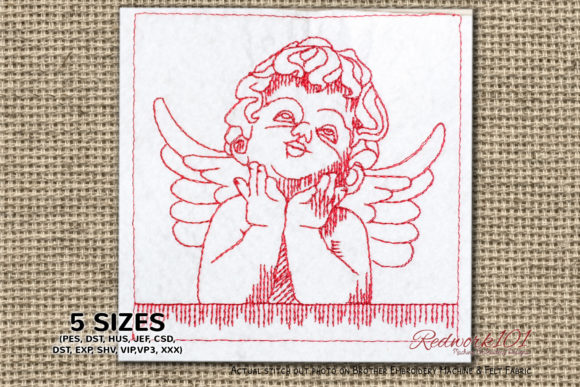
The initial visual impact of the Baby Angel Machine design is one of softness and nostalgia. It carries a gentle aesthetic that naturally aligns with themes of innocence and celebration. While the product category is listed under Christmas, the motif is versatile enough to transcend a single holiday. The design features clean lines and a balanced composition that suggests a high level of attention to detail in the digitization process.
What stands out immediately is the decorative appeal. The angel figure is rendered with a clarity that avoids the muddiness often seen in lower-quality digital embroidery files. For designers who prioritize brand consistency and visual appeal, this piece offers a polished look that enhances the perceived value of any finished product. The mood is serene, making it an excellent candidate for items intended as personalized gifts or nursery decor.
Technical Performance and Stitch Quality
When assessing a machine embroidery design for commercial embroidery projects, stitch density and pathing are paramount. From a technical standpoint, the Baby Angel Machine appears to utilize a mix of stitch types effectively. You can expect to see satin stitch used for borders and finer details, providing that smooth, glossy finish that customers love. Fill stitch areas likely provide coverage without excessive bulk, which is crucial for maintaining the drape of fabrics like cotton or lightweight fleece.
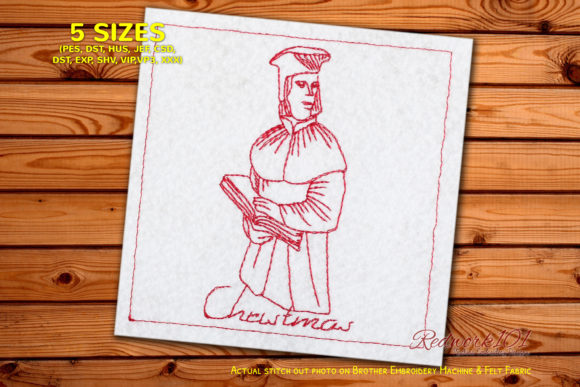
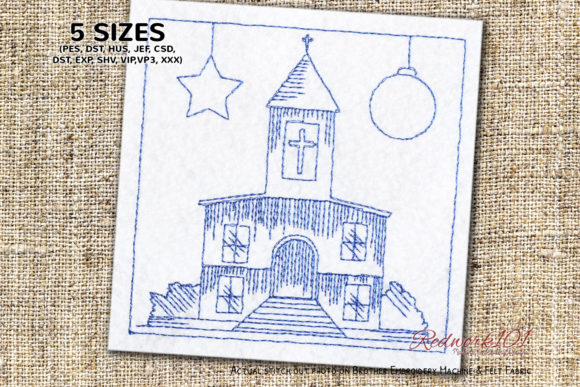
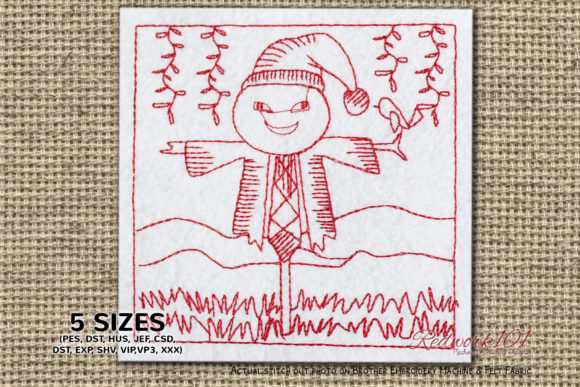
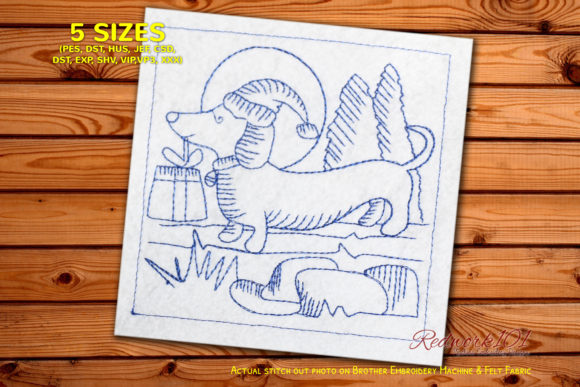
The description notes that "The Box Stitch shown in picture is optional." This is a significant feature for flexibility. It allows the embroiderer to adapt the design to different hoop sizes or aesthetic preferences. Furthermore, the note that "The color of outer Box is different color in most of the designs unless it is part of the design itself, you can skip the color directly in your" software implies that the file is structured with user customization in mind. This level of control is essential for matching thread colors to specific client requests or fabric choices.
However, because specific stitch counts and exact file formats are not detailed in the brief description provided, I strongly advise checking the full product details on the Creative Fabrica embroidery page before purchase. Confirming compatibility with your specific machine and software is a non-negotiable step in professional workflow.
Real-World Application and Product Ideas
So, where does this design fit in a real production environment? I envision the Baby Angel Machine working beautifully on a variety of substrates. Here are several practical applications for small business owners and Etsy sellers:
- Baby Blankets and Nursery Decor: The gentle theme makes it ideal for heirloom-quality baby items. Use soft pastels for thread colors to enhance the tender mood.
- Sweatshirt Embroidery: Placed on the left chest or centered on a hoodie, this design adds a touch of whimsy to custom apparel. Ensure you use a cut-away stabilizer to support the weight of the garment.
- Tote Bag Design: A canvas tote featuring this angel could be a hit during the holiday season. The contrast of the embroidery against natural cotton creates a rustic, handmade charm.
- Kitchen Towels and Aprons: For seasonal handmade gifts, embroidering this on linen towels adds a boutique feel that mass-produced items lack.
- Embroidered Patch: If the design size permits, it could be stitched on twill for a patch application, adding versatility to caps and jackets.
For those creating printable mockups or digital product listings, the clean lines of this design photograph well. High-quality images of the finished product can significantly boost customer engagement and trust.
Navigating Practical Challenges
While the design is promising, experienced crafters know that execution is everything. Here are some practical considerations when working with the Baby Angel Machine:
Fabric Selection: Textured fabric can sometimes obscure fine details. If you are stitching on terry cloth or heavy fleece, ensure the stitch density is sufficient to prevent the fabric from showing through. Conversely, on stretchy fabric, proper hooping and stabilizer selection are critical to prevent distortion.
Dark Fabric Considerations: If you plan to stitch on dark fabric, you may need to adjust the underlay or use a lighter thread palette to ensure the design pops. Always compare light and dark fabric mockups before committing to a large batch.
Small Details: Inspect small details after stitching a test run. If the design includes tiny elements, verify that they do not become lost or tangled. Running stitch elements should be crisp and secure.
Hoop Size: Confirm hoop size requirements. If the design is large, ensure your machine can accommodate it. If it is small, consider multi-positioning if you want to create a larger pattern, though this specific design seems suited for single-hoop applications.
Commercial Value and Brand Building
Incorporating high-quality assets like the Baby Angel Machine into your product line can elevate your brand. Buyers associate precise, clean embroidery with professionalism. When you deliver a finished product that looks immaculate, you build buyer trust. This is particularly important for seasonal items where competition is fierce.
Using this design in your commercial embroidery offerings allows you to tap into the emotional connection people have with holiday and baby-themed items. It is not just about selling a sweatshirt; it is about selling a memory, a gift, and a feeling of warmth. This emotional resonance can justify higher price points and encourage repeat business.
Final Recommendations for Designers
Before integrating the Baby Angel Machine into your workflow, follow these steps to ensure success:
- Test on Scrap Fabric: Never stitch directly on your final product without a test run. Use the same type of fabric and stabilizer you intend to use for the client order.
- Check Thread Color Contrast: Plan your thread colors carefully. The optional box stitch mentioned in the description offers a chance to play with contrast or blend seamlessly, depending on your vision.
- Review Licensing: Always confirm file details and licensing on the Creative Fabrica product page. Ensure you are compliant with terms for selling finished items.
- Optimize for Your Machine: Adjust tension and speed settings based on the stitch density observed in your test stitch-out.
In conclusion, the Baby Angel Machine presents itself as a thoughtful and versatile addition to a designer’s library. Its potential for use in custom apparel, home decor, and seasonal gifts is strong, provided that technical best practices are followed. By paying attention to stabilizer choice, fabric type, and thread selection, you can transform this digital embroidery file into a standout handmade product that resonates with customers.